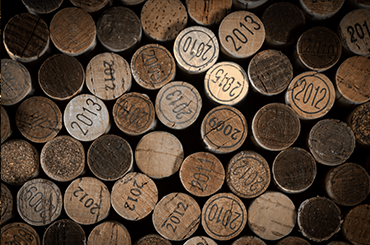
Have you ever heard the term 'birth-year wine' and wondered what it was? Is it a wine from the year you were born? What kind of wine should you choose? How long do you cellar it for?
How to choose a birth-year wine
Whether you're looking for advice on buying birth-year wines for a newborn to crack on a milestone birthday in the distant future or, more importantly, for you to drink to celebrate their coming of age, you've come to the right place. Buying a birth-year wine is a great gesture when you get it right, but could prove a costly error if you get it wrong. Here are 10 tips to improve your chances.
Don't forget you can use the
Halliday Vintage Chart to track wine regions and ratings across the last 30 vintages. The Vintage Chart rates the vintage in each wine region of Australia annually – the chart holds ratings for every Australian vintage from 1987 to 2023 and is updated with the release of the
Halliday Wine Companion.
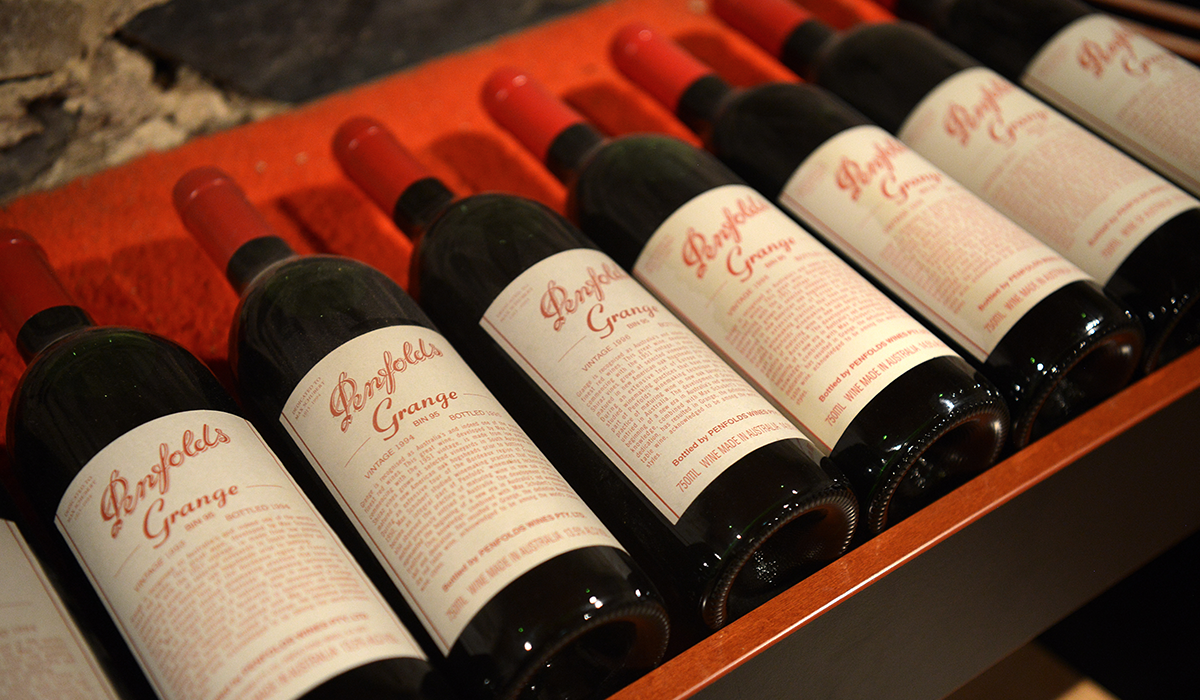 Choose a birth-year wine that can be cellared until it can be appreciated.
Select a wine to cellar
Just because they can drink it on their 18th doesn’t mean they’ll have developed a taste for old wine yet. They’ll more likely be up for it on their 25th or 30th, so be sure to select a wine that will go the distance.
The best wines to cellar for birth-year milestones
There’s a time for experimenting with new producers and obscure varieties, but this is not it. It's likely you're looking for a wine that can be cellared for 10 to 20 years (or beyond). For whites,
riesling,
semillon and Champagne are your most reliable options. Red wines like
cabernet sauvignon,
shiraz, malbec, merlot, nebbiolo and vintage port are the most enduring, and can be cellared for 10 to 20 years.
Which regions produce the best wines to cellar?
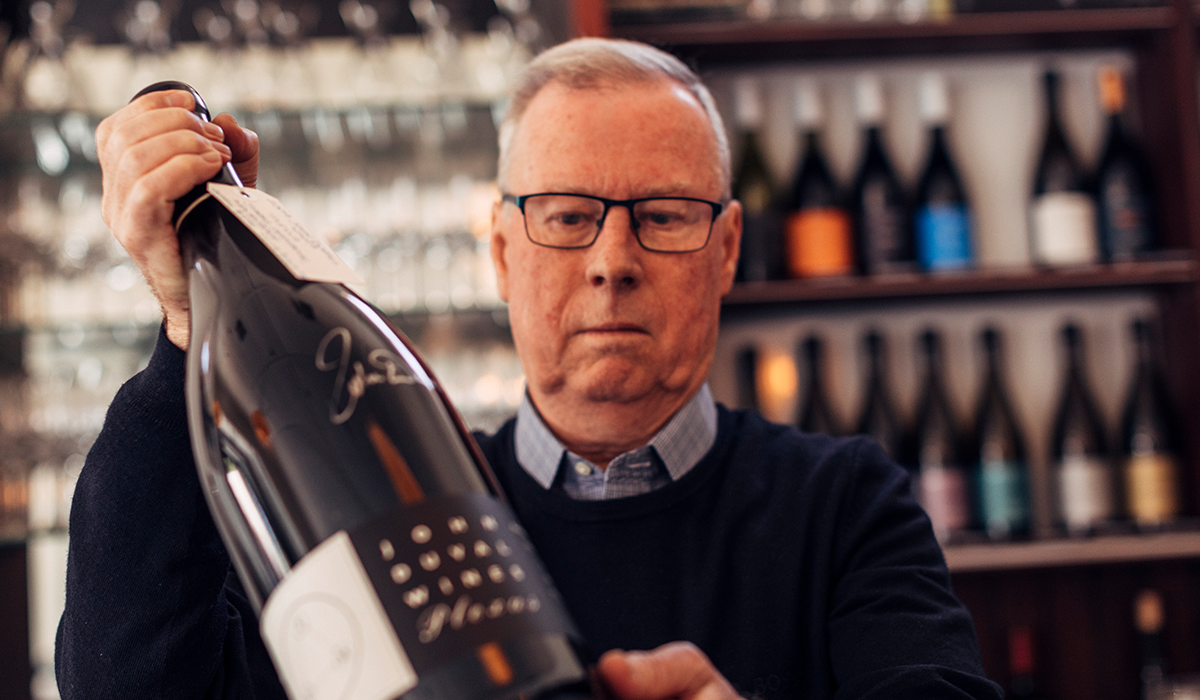 Magnums or larger bottles will age more reliably.
Which vintage is best for a birth-year wine?
You don’t get to choose the year when you’re buying a birth vintage, but you can choose the region, and there will always be some of the top regions that had a
good vintage in any given year.
The biggest mistake people make when buying a birth-year wine
One of the most common mistakes people make when buying a birth-year wine is getting too excited about buying birth-vintage wines at the time of birth. In reality, the best birth-year wines often aren't available until years later, as top wines are usually released after years of maturation. Our tip? Set yourself a calendar reminder for four or five years’ time for Australian wines or 10 years’ time for prestige Champagne.
Buy a bottle on its release
Buying a bottle on release is usually cheaper than buying at auction later on, and the provenance is guaranteed.
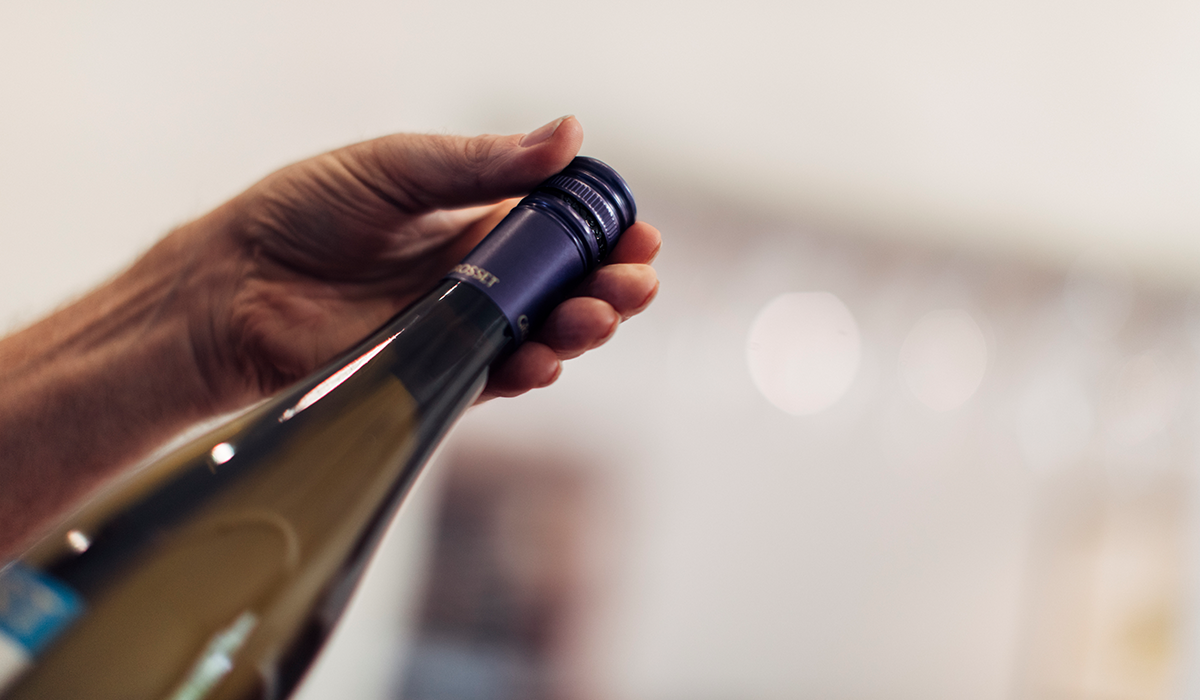 Selecting a wine under screwcap means you minimise the risk of cork taint or premature oxidisation.
Buy a magnum or a larger bottle
Magnums or larger bottles of wine age more reliably and heighten the sense of celebration.
Which will age better – wines under cork or screwcap?
Buying wine under screwcap will minimise the risk of cork taint or premature oxidisation.
How much money should I spend on a birth-year wine?
This is the time to celebrate, so buy the top wines of an estate, the First Growths, Grand Crus or prestige cuvées.
How to store a birth-year wine
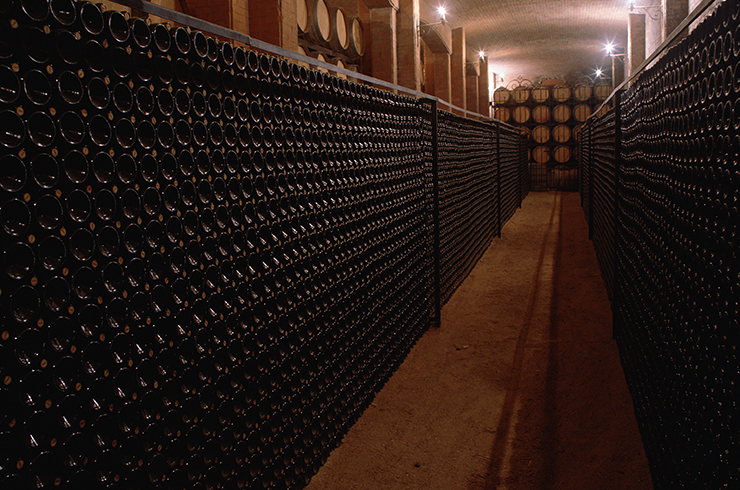
Proper cellar conditions are crucial for long ageing. If you don't have access to a home cellar, be sure to store the wine in a cool, dark place. It's important that the temperature remains consistent. Ideal cellar conditions are a temperature of up to 15 degrees. Be sure to limit the amount of light exposure, and don't select a place that will be impacted by vibration.
The Tasting Team share their dream birth-year wines
Our Tasting Team recently nominated the wines they'd most like to drink from their respective birth years (some exceptional, others not so much). Read more about their coveted wines
here.
Expand your knowledge with Halliday Wine Academy
Halliday Wine Academy offers an in-depth view of the Australian and international wine landscapes. Select Introduction to Wine to learn about Australian wine and regions or choose Wines of the World (part one) to get to know international wines.
Through Introduction to Wine, students will learn about Australian wine and wine regions, how wine is made, how to taste and describe wine, how to approach food and wine matches, along with handy tips that address common wine questions. And in part one of our Wines of the World course, discover and explore the iconic wines, regions and laws of France, Spain, Portugal, Hungary, Germany and Austria.
Part of this article was written by Tyson Stelzer.
Image credit: Wine Australia/Andy Nowell.