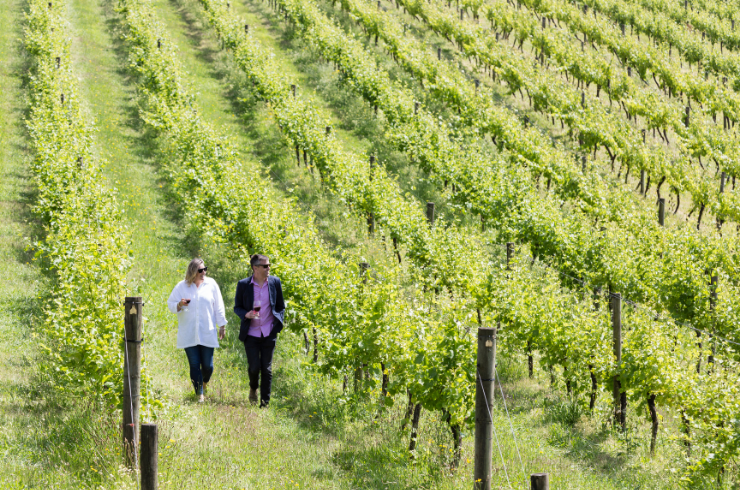
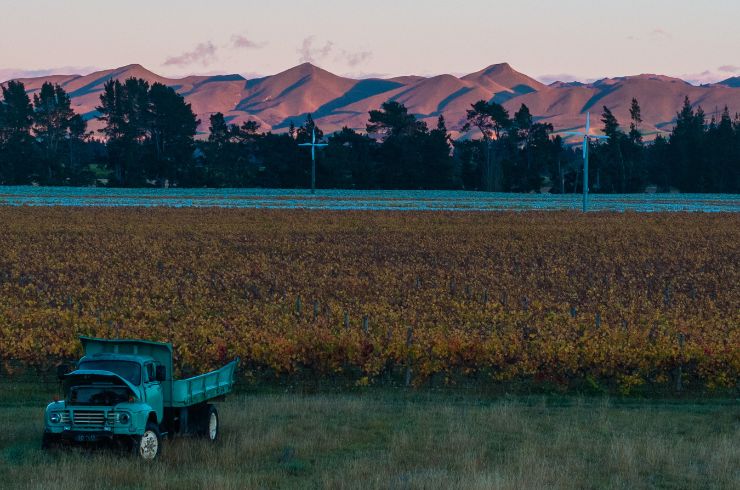
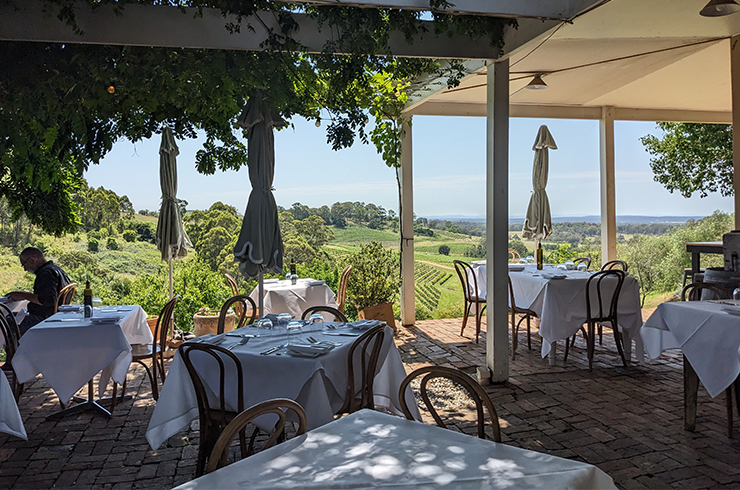
If you’re looking for a weekend escape that offers more than just great wine, it's hard to top the Grampians.
Roughly three hours northwest of Melbourne, the breathtaking, mountainous region known by the Djab Wurrung and Jardwadjali people as Gariwerd has it all: rugged natural beauty, hikes and climbs, plenty for the kids, and excellent cellar doors.
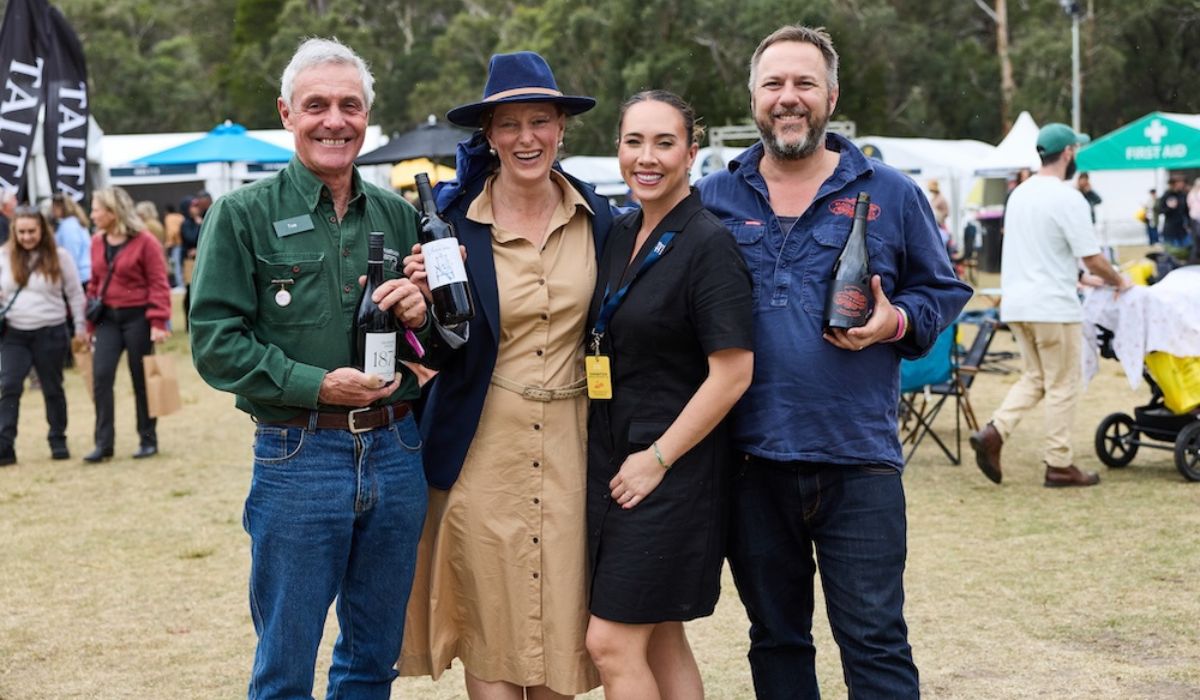
The best time to visit is the end of April/start of May, when the Grampians Grape Escape festival descends on Halls Gap for a three-day showcase of the best of the region’s wines, produce, bands and more (you can subscribe for the 2027 presale here).
The second-best time? Whenever you like. Here’s how to spend a weekend in the Grampians.
Friday
Jump in the car and make for Dunkeld, the southern gateway to the Grampians in the foothills of Mount Sturgeon. Here, behind the curved, mint-green facade, you’ll find the Royal Mail, both the town’s heart and its chief attraction.
Originally established as a bluestone inn in 1855, it was purchased by Allan Myers AC KC in the 1980s and transformed into a 40-room hotel, complete with a fine-dining restaurant and 35,000-bottle strong wine cellar.
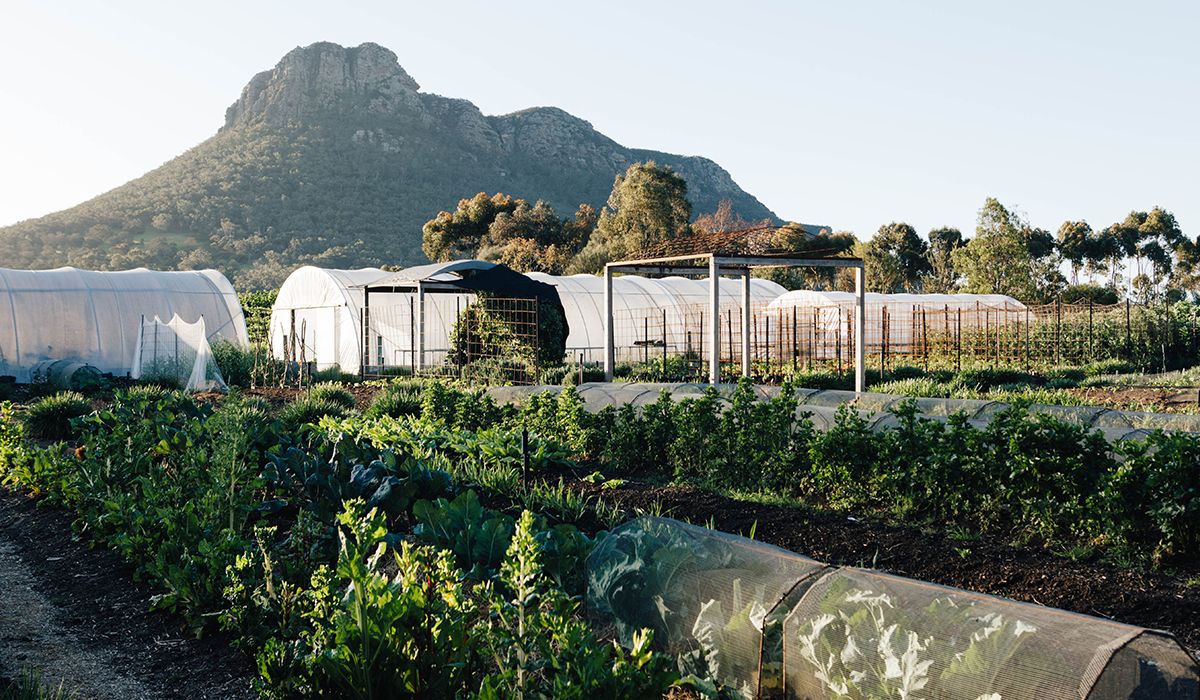
A tour of the cellar followed by dinner at Wickens is a real treat. Chef Robin Wickens has cooked at the Royal Mail since ’13, when he took over from Dan Hunter of Brae fame in the hotel’s main dining room, but has had his name on the door since ’17 when the restaurant moved to its new location on the property. Produce mostly comes from the kitchen garden, and you can opt for a Western Victorian wine pairing.
Saturday
Grab a pastry or pie from the Dunkeld Bakery and then head north along Grampians Rd until you get to Fallen Giants. The 9.3ha vineyard, planted in 1969 to shiraz, riesling and cabernet, was acquired by the late Trevor Mast of Mount Langi Ghiran fame in 1996, and then bought by its current owners, Aaron and Rebecca Drummond (who also own Stonier on the Mornington Peninsula; Stonier winemaker Julian Grounds also makes Fallen Giants' wines), in 2013. Sit on the verandah with a glass and watch the kids play on the playground in the shadow of the stunning Mount William Range.
Pomonal Estate is a short five-minute drive away, and a great spot for lunch. The estate was founded by Adam and Pep Atchison in ’14, and now includes a small vineyard planted to shiraz and riesling, a cider orchard, winery, brewery, restaurant/cellar door, and seven self-contained villas. The wines, today made under contract by Mount Langi’s Adam Louder and Leigh Clarnette from Clarnette Wines, can be enjoyed as a tasting flight, as can beer and cider. Dean Sibthorp of Block & Cleaver mans the kitchen, serving up a range of interesting, wine-friendly dishes such as fennel pannacotta, thick-cut fries with truffle and parmesan, and venison with Paris mash.
Around the corner, next door to iconic Pomonal pub Barney’s, is the Black & Ginger Wine Shed. The label was established in ’15 by former Best’s winemaker Hadyn Black and business partner Darcy Naunton, and is one of the region’s most exciting developments. You’ll find shiraz and riesling here (it is the Grampians, after all), but you’ll also find a vibrant, textured vermentino, an easy drinking, low-alc blend of five Portuguese and Spanish varieties called Cinco Rojas, a bright, crunchy grenache, a savoury lambrusco, and much more.
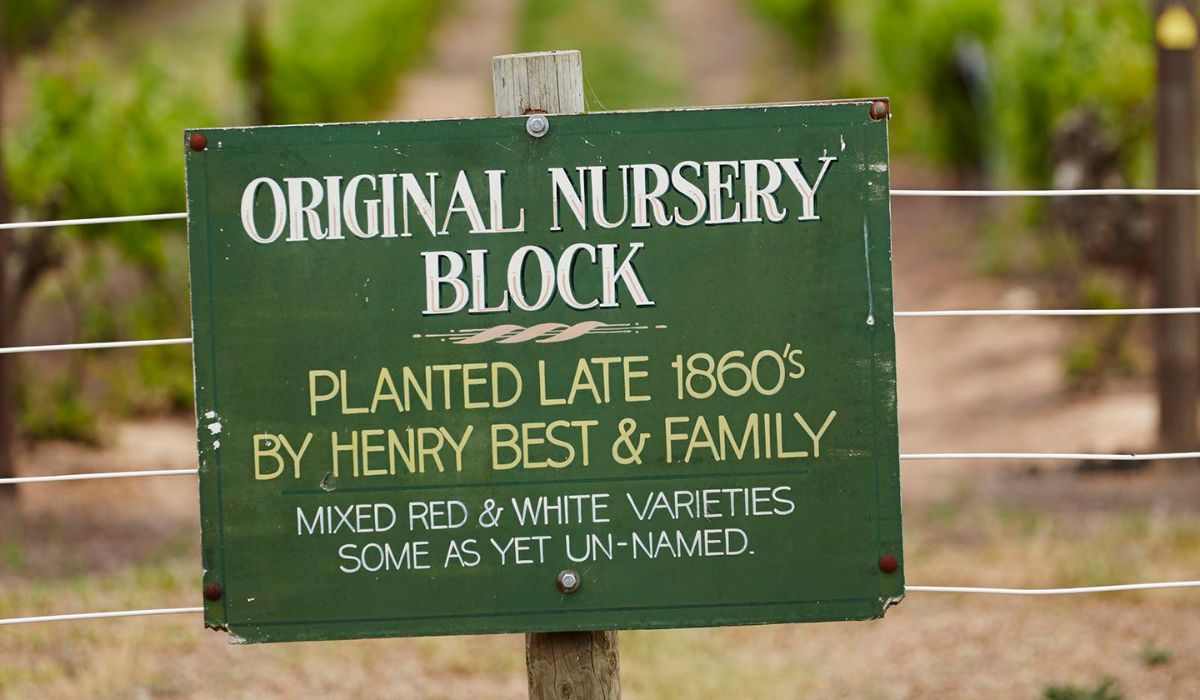
Best’s Wines, about a 25-minute drive away from the Wine Shed in Great Western, is one of the region’s (indeed, the country’s) oldest wineries, but no less exciting. The original nursery block, Concongella, was planted by Henry Best in 1868, and contains 39 different grape varieties including shiraz, riesling, pinot meunier and more, many of which remain unidentified. Under the custodianship of the Thomson family since 1920, and helmed by fifth-gen Ben Thomson since ’08, Best’s manages to be progressive while still celebrating its history, playing around with winemaking techniques and varieties to produce wines like the Syrah Blanc (a white wine made from 100 per cent shiraz grapes) and nursery block blends. Still, shiraz and riesling are the standouts – particularly the Thomson Family Shiraz and the Foudre Ferment Riesling (the 2021 Foudre Ferment was the 2023 Halliday Wine of the Year). A cellar tour is also a must.
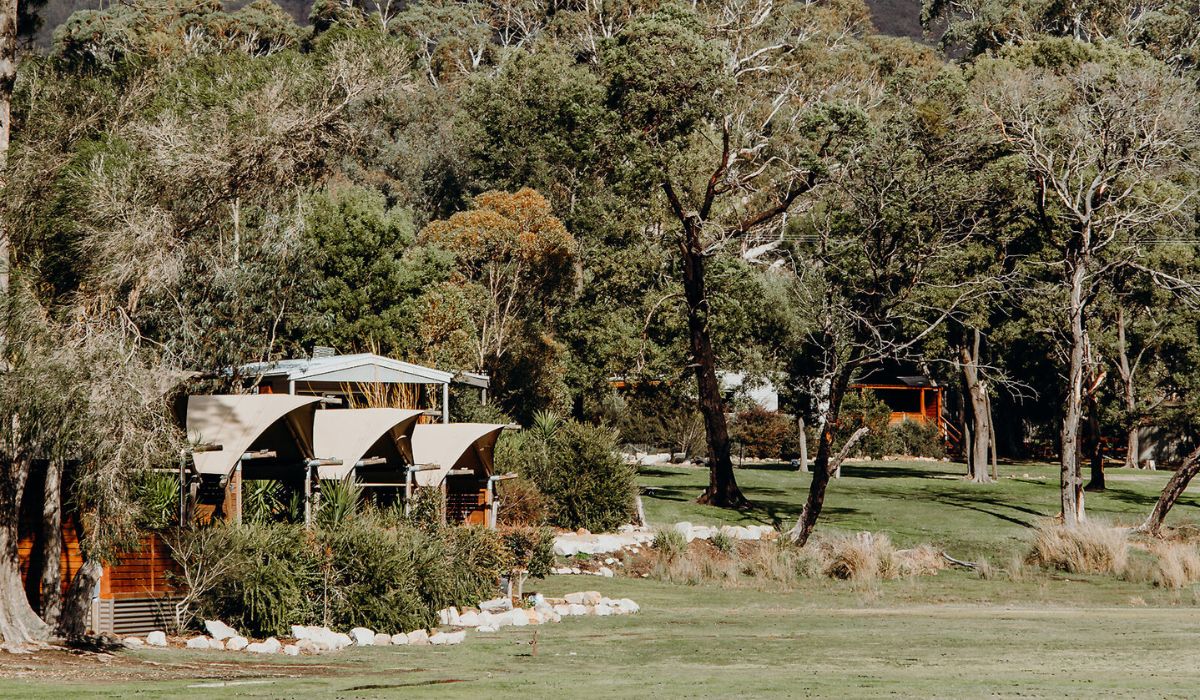
Pick up some provisions and make your way back towards Halls Gap. While there’s no shortage of accommodation options, the Lakeside Tourist Park is our pick – especially if you’re travelling with kids. Here, your choices are to book a campsite (and pitch your own tent), a cabin (there are 18 on site, sleeping anywhere from two to 14 people) or a glamping tent. Most options come with barbecues, and you can also organise a fire pit (and s’mores). The park also offers a wood-heated pool, playgrounds and sandpits, and a communal mess area, and is ringed by mountains and teeming with wildlife. Great vibes.
Sunday
Grab a coffee from the window near reception, say goodbye to Lakeside, and – after a visit to the Halls Gap Zoo, arguably the best regional zoo in the country – head east, back towards Great Western, for brunch at Salinger’s. In an 1860s building that was once the Stawell general store, Salinger’s offers classic breakfast and lunch dishes made from local produce. Honey from the living bee’s nest embedded in the cafe’s wall, uncovered during minor renovations and now protected by glass, often ends up in the cakes and cookies displayed on the counter.
The Seppelt cellar door – a quick, two-minute drive or 15-minute walk from Salinger’s – is another essential visit. Seppelt’s St Peter’s vineyard was, like Best’s, planted in the mid-1860s, and it was around this time, too, that Henry Best’s son Joseph commissioned local gold miners to tunnel the underground cellars now known as The Drives. At 3km long, and capable of storing three million bottles of wine, these are the largest underground cellars in the country, and tours through them are operated daily.
The Grampians Estate cellar door, just a few minutes down the Western Highway, is also a worthwhile stop. It’s owned by Tom and Sarah Guthrie, sheep farmers turned winemakers, who make wine from a handful of sites within the region, including their farm at Mafeking and the Garden Gully vineyard, which contains the state’s oldest riesling vines and which their Great Western cellar door overlooks. Try the excellent St Ethel’s Shiraz and Streeton Reserve Shiraz, as well as the Rutherford Sparkling Shiraz – a tribute to their son, Ford.
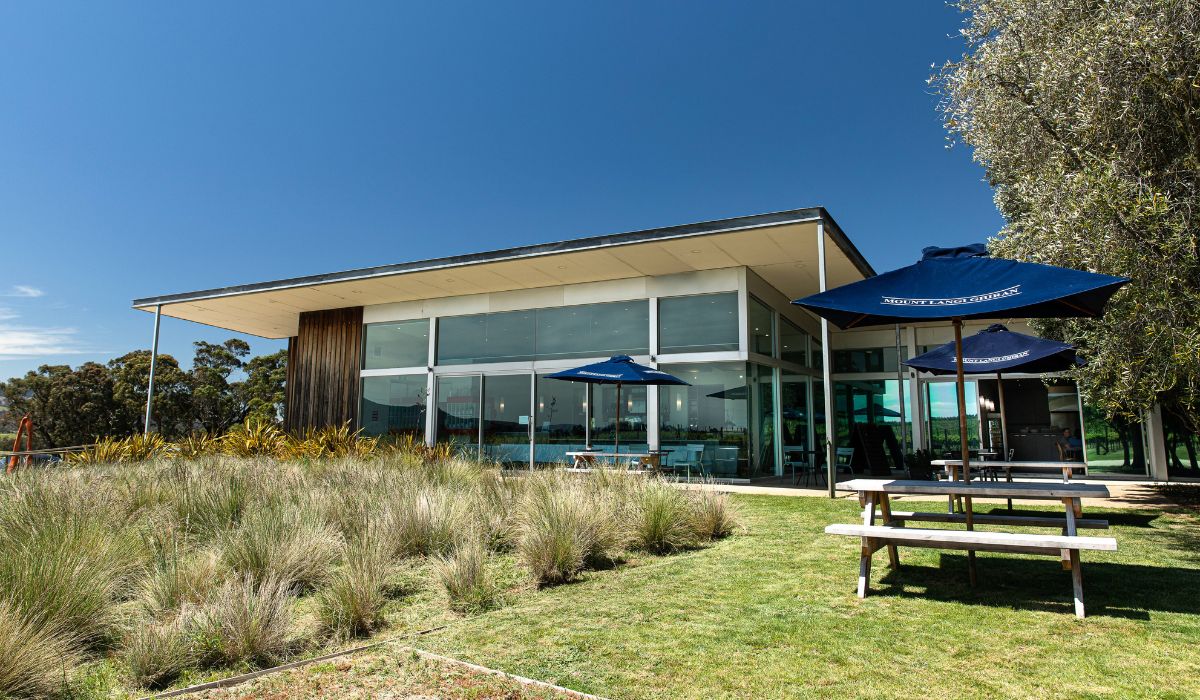
It’s 40 minutes or so southeast, back towards Melbourne, to get to Mount Langi Ghiran. The winery as we know it was established in 1969 by the Fratin brothers, although credit for its reputation is attributed to Trevor Mast, who purchased it in 1986. Today, under the ownership of the Rathbone family and with Adam Louder at the winemaking helm, it continues to produce some of Australia’s best cool-climate shiraz. Sit in the modern, light-filled cellar door with a glass of Langi and a plate of cheese, and take in the vineyards and the winery’s namesake mountains before making the two-hour journey home.
Subscribe to the Halliday Wine Companion Podcast
Hear from some of Australia's top winemakers and industry professionals as they share their stories and insights on the Halliday Wine Companion Podcast. Listen here, or on your usual podcast platform, and remember to rate, share and subscribe so you never miss an episode.
Latest Articles
-
Wine Lists
Cheers to International Pinot Noir Day: here are 11 top-rated bottles to celebrate with
1 day ago -
From the tasting team
Wines with altitude: Jeni Port on the latest release from VS&B
1 day ago -
Wine Lists
Looking for something new to drink? Here are eight top-rated wines to try
6 Aug 2026 -
Travel
Inside Tamar Ridge and PIRIE’s elegant new Tamar Valley cellar door
5 Aug 2026